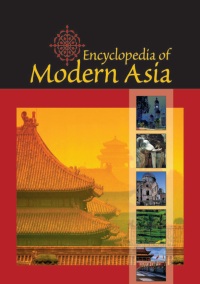
David Levinson – Encyclopedia of Modern Asia (6 Volume set)
1.760 ₽
Автор: David Levinson
Название книги: Encyclopedia of Modern Asia (6 Volume set)
Формат: PDF
Жанр: Культура и Искусство
Качество: Изначально компьютерное, E-book
Volume 1
List of Maps . . . . . . . . . . . . . . . . . . . . . . . . . ix
Preface . . . . . . . . . . . . . . . . . . . . . . . . . . . . . xi
Acknowledgments . . . . . . . . . . . . . . . . . . . . . xxi
Survey of Asia’s Regions and Nations . . . . . . xxv
Regional Maps . . . . . . . . . . . . . . . . . . . . . xxxiii
Reader’s Guide . . . . . . . . . . . . . . . . . . . . . xxxix
Abacus to China
Volume 2
List of Maps . . . . . . . . . . . . . . . . . . . . . . . . . vii
Survey of Asia’s Regions and Nations . . . . . . . ix
Regional Maps . . . . . . . . . . . . . . . . . . . . . . . xvii
Reader’s Guide . . . . . . . . . . . . . . . . . . . . . . xxiii
China-India Relations to Hyogo
Volume 3
List of Maps . . . . . . . . . . . . . . . . . . . . . . . . . vii
Survey of Asia’s Regions and Nations . . . . . . . ix
Regional Maps . . . . . . . . . . . . . . . . . . . . . . . xvii
Reader’s Guide . . . . . . . . . . . . . . . . . . . . . . xxiii
Iaido to Malay-Indonesian Language
Volume 4
List of Maps . . . . . . . . . . . . . . . . . . . . . . . . . vii
Survey of Asia’s Regions and Nations . . . . . . . ix
Regional Maps . . . . . . . . . . . . . . . . . . . . . . . xvii
Reader’s Guide . . . . . . . . . . . . . . . . . . . . . . xxiii
Malaysia to Portuguese in Southeast Asia
Volume 5
List of Maps . . . . . . . . . . . . . . . . . . . . . . . . . vii
Survey of Asia’s Regions and Nations . . . . . . . ix
Regional Maps . . . . . . . . . . . . . . . . . . . . . . . xvii
Reader’s Guide . . . . . . . . . . . . . . . . . . . . . . xxiii
Possession to Turkey
Volume 6
List of Maps . . . . . . . . . . . . . . . . . . . . . . . . . vii
Survey of Asia’s Regions and Nations . . . . . . . ix
Regional Maps . . . . . . . . . . . . . . . . . . . . . . . xvii
Reader’s Guide . . . . . . . . . . . . . . . . . . . . . . xxiii
Turkic Languages to Zuo Zongtang
Directory of Contributors . . . . . . . . . . . . . . .225
Index . . . . . . . . . . . . . . . . . . . . . . . . . . . . . 271
Front Matter of All Volumes
Central Asia
China and East Asia
South Asia
Southeast Asia—Insular
Southeast Asia—Mainland
West and Southwest Asia
Volume 1
Afghanistan . . . . . . . . . . . . . . . . . . . . . . . . . . . . . .21
Altay Mountains . . . . . . . . . . . . . . . . . . . . . . . . . . .89
Amu Dar’ya . . . . . . . . . . . . . . . . . . . . . . . . . . . . . .94
Andaman and Nicobar Islands . . . . . . . . . . . . . . . .101
Aral Sea . . . . . . . . . . . . . . . . . . . . . . . . . . . . . . . .122
Armenia . . . . . . . . . . . . . . . . . . . . . . . . . . . . . . . .159
Azerbaijan . . . . . . . . . . . . . . . . . . . . . . . . . . . . . .205
Bangladesh . . . . . . . . . . . . . . . . . . . . . . . . . . . . . .237
Bay of Bengal . . . . . . . . . . . . . . . . . . . . . . . . . . . .269
Bhutan . . . . . . . . . . . . . . . . . . . . . . . . . . . . . . . . .287
Borneo . . . . . . . . . . . . . . . . . . . . . . . . . . . . . . . . .308
Brahmaputra River . . . . . . . . . . . . . . . . . . . . . . . .317
Brunei . . . . . . . . . . . . . . . . . . . . . . . . . . . . . . . . .329
Cambodia . . . . . . . . . . . . . . . . . . . . . . . . . . . . . . .408
Caucasus . . . . . . . . . . . . . . . . . . . . . . . . . . . . . . .449
Chang River . . . . . . . . . . . . . . . . . . . . . . . . . . . . .488
China . . . . . . . . . . . . . . . . . . . . . . . . . . . . . . . . . .504
Volume 2
East Timor . . . . . . . . . . . . . . . . . . . . . . . . . . . . . .314
Euphrates and Tigris . . . . . . . . . . . . . . . . . . . . . .352
Fergana Valley . . . . . . . . . . . . . . . . . . . . . . . . . . .375
Ganges River . . . . . . . . . . . . . . . . . . . . . . . . . . . .423
Gobi Desert . . . . . . . . . . . . . . . . . . . . . . . . . . . . .438
Great Wall . . . . . . . . . . . . . . . . . . . . . . . . . . . . . .449
Gulf of Thailand . . . . . . . . . . . . . . . . . . . . . . . . .461
Himalayas . . . . . . . . . . . . . . . . . . . . . . . . . . . . . .513
Hong Kong . . . . . . . . . . . . . . . . . . . . . . . . . . . . .548
Huang River . . . . . . . . . . . . . . . . . . . . . . . . . . . . .558
Volume 3
India . . . . . . . . . . . . . . . . . . . . . . . . . . . . . . . . . . . .9
Indonesia . . . . . . . . . . . . . . . . . . . . . . . . . . . . . . . .53
Indus River . . . . . . . . . . . . . . . . . . . . . . . . . . . . . .77
Iran . . . . . . . . . . . . . . . . . . . . . . . . . . . . . . . . . . . .96
Iraq . . . . . . . . . . . . . . . . . . . . . . . . . . . . . . . . . . .123
Irian Jaya . . . . . . . . . . . . . . . . . . . . . . . . . . . . . . .144
Irrawaddy River . . . . . . . . . . . . . . . . . . . . . . . . . .147
Jammu and Kashmir . . . . . . . . . . . . . . . . . . . . . . .203
Japan . . . . . . . . . . . . . . . . . . . . . . . . . . . . . . . . . .207
Java and Bali . . . . . . . . . . . . . . . . . . . . . . . . . . . . .267
Kalimantan . . . . . . . . . . . . . . . . . . . . . . . . . . . . . .302
Karakoram Highway . . . . . . . . . . . . . . . . . . . . . . .317
Kara-Kum Canal . . . . . . . . . . . . . . . . . . . . . . . . .319
Kara-Kum Desert . . . . . . . . . . . . . . . . . . . . . . . . .320
Kazakhstan . . . . . . . . . . . . . . . . . . . . . . . . . . . . . .337
Killing Fields—Cambodia (1999) . . . . . . . . . . . . . .369
Kyrgyzstan . . . . . . . . . . . . . . . . . . . . . . . . . . . . . .424
Laos . . . . . . . . . . . . . . . . . . . . . . . . . . . . . . . . . . .443
Luzon . . . . . . . . . . . . . . . . . . . . . . . . . . . . . . . . .530
Macao . . . . . . . . . . . . . . . . . . . . . . . . . . . . . . . . .532
Volume 4
Malaysia . . . . . . . . . . . . . . . . . . . . . . . . . . . . . . . . .3
Maldives . . . . . . . . . . . . . . . . . . . . . . . . . . . . . . . .22
Mauritius . . . . . . . . . . . . . . . . . . . . . . . . . . . . . . . .86
Mekong River and Delta . . . . . . . . . . . . . . . . . . . .136
Mindanao . . . . . . . . . . . . . . . . . . . . . . . . . . . . . . .148
Mongolia . . . . . . . . . . . . . . . . . . . . . . . . . . . . . . .165
Myanmar (Burma) . . . . . . . . . . . . . . . . . . . . . . . .245
Nepal . . . . . . . . . . . . . . . . . . . . . . . . . . . . . . . . . .307
North Korea . . . . . . . . . . . . . . . . . . . . . . . . . . . .348
Pakistan . . . . . . . . . . . . . . . . . . . . . . . . . . . . . . . .424
Pamir Range . . . . . . . . . . . . . . . . . . . . . . . . . . . .457
Persian Gulf . . . . . . . . . . . . . . . . . . . . . . . . . . . . .480
Philippines . . . . . . . . . . . . . . . . . . . . . . . . . . . . . .492
Volume 5
Red River and Delta . . . . . . . . . . . . . . . . . . . . . . . .60
Réunion . . . . . . . . . . . . . . . . . . . . . . . . . . . . . . . . .82
Sarawak . . . . . . . . . . . . . . . . . . . . . . . . . . . . . . . .130
Siberia . . . . . . . . . . . . . . . . . . . . . . . . . . . . . . . . .195
Silk Road . . . . . . . . . . . . . . . . . . . . . . . . . . . . . . .208
Singapore . . . . . . . . . . . . . . . . . . . . . . . . . . . . . . .212
South Korea . . . . . . . . . . . . . . . . . . . . . . . . . . . . .270
Spratly Islands . . . . . . . . . . . . . . . . . . . . . . . . . . .314
Sri Lanka . . . . . . . . . . . . . . . . . . . . . . . . . . . . . . .317
Strait of Malacca . . . . . . . . . . . . . . . . . . . . . . . . . .339
Sumatra . . . . . . . . . . . . . . . . . . . . . . . . . . . . . . . .354
Syr Dar’ya . . . . . . . . . . . . . . . . . . . . . . . . . . . . . .362
Taiwan . . . . . . . . . . . . . . . . . . . . . . . . . . . . . . . . .380
Tajikistan . . . . . . . . . . . . . . . . . . . . . . . . . . . . . . .394
Taklimakan Desert . . . . . . . . . . . . . . . . . . . . . . . .406
Thailand . . . . . . . . . . . . . . . . . . . . . . . . . . . . . . .452
Tian Shan . . . . . . . . . . . . . . . . . . . . . . . . . . . . . .481
Tibet (Xizang) . . . . . . . . . . . . . . . . . . . . . . . . . . .484
Tonle Sap . . . . . . . . . . . . . . . . . . . . . . . . . . . . . .513
Turkey . . . . . . . . . . . . . . . . . . . . . . . . . . . . . . . . .540
Volume 6
Turkmenistan . . . . . . . . . . . . . . . . . . . . . . . . . . . . .7
Uzbekistan . . . . . . . . . . . . . . . . . . . . . . . . . . . . . . .43
Vietnam . . . . . . . . . . . . . . . . . . . . . . . . . . . . . . . . .60
The Encyclopedia of Modern Asia is an unprecedented effort at global understanding.
With a readership of students and nonspecialists in mind, a team of more than
eight hundred scholars and other experts from around the world has compiled this
six-volume, 2.2-million-word publication. In it, we explore economics, religion, technology,
politics, education, the family, the arts, environmental issues, international
relations, scientific advances, and other vital aspects of the Asian experience that will
shape the twenty-first century. The Encyclopedia explains the relationship of Asia to
the rest of the world through its extensive coverage of the historical exchange of ideas
and inventions. Most important, it provides a variety of perspectives on issues and
events, and encompasses the past and the present of Asia in an authoritative and fully
cross-disciplinary work.
To provide the comprehensive view needed by students and scholars in our global
age, the Encyclopedia takes the broad and dynamic view of Asian history and culture
that does not make false assumptions about Asian unity or uniformity, but allows us
to look for continuity and diversity, change and variation, across and beyond this vast
territory.
The Encyclopedia contains over 2,600 entries, which range from 200 to 4,000
words. The text is supplemented by 1,300 illustrations, tables, and sidebars of mainly
primary-source materials; 90 maps; topical and regional outlines; and an extensive index.
Articles have been written by experts from more than a dozen scholarly disciplines,
from fields including banking, economic development, law, and human rights,
and from more than sixty nations.
Our goal when we began this project with Charles Scribner’s Sons in 1998 was to
make the Encyclopedia of Modern Asia the standard reference work on Asia. Much has
happened in Asia since then—the Asian economic crisis of 1997–1998 (the effects of
which remain), the September 11th terrorist attack on the United States in 2001 and
subsequent invasion of Afghanistan and war on terrorism, and increased fighting in
the Middle East—to name just a few.
After September 11, 2001, people were fascinated by the fact that three years earlier
we came up with the idea for this project, complete with coverage of the Central
Asian republics, the Taliban, and many articles on Islam. “Were you smart or lucky?”
someone asked. Our small publishing company’s mission is to focus on the “global
experience and contemporary issues.” Our first publication after September 11 was
the Encyclopedia of Fundamentalism, followed by the Encyclopedia of Crime and Punishment,
and now the Encyclopedia of Modern Asia.
Four years ago we had no idea that terrible, dramatic events would have Americans
riveted by information on the religion and culture of Islam, or that bookstores
would be selling Afghanistan maps by their cash registers. We did know that Asia was
important and not well understood. We found its diversity and complexity absorbing.
It’s been thrilling to work with Asia scholars all over the world, even though
we’ve dealt with threats that e-mail service in Turkmenistan would be stopped by the
government, contributors’ worries about political repercussions, and a variety of linguistic
and cultural barriers.
As new political and economic conflicts—and opportunities—develop worldwide,
and international trade barriers come down, and as there is an increasing migration
and exchange of people and ideas, the Encyclopedia of Modern Asia will be a vital source
of reliable and accessible information on the events, ideas, and issues that are shaping
our future. The readership we have in mind is not just scholars and students but
also journalists, businesspeople, governmental officials, and tourists.
Our essential purpose has been, since the first time we discussed this ambitious
and sometimes nearly overwhelming project, to provide readers with information and
knowledge about modern Asia from an Asian perspective. This immediately raises
several questions about what readers will find in the Encyclopedia of Modern Asia. What
is information? What is knowledge? What is Asia? What is modern Asia? What is an
Asian perspective?
What Are Information and Knowledge?
In the age of rapid information availability via the Internet, understanding and appreciating
the distinction between information and knowledge is crucial to making
our way in the global community. Information and knowledge are both valuable, but
they are not the same thing, and in the end only knowledge will enable the citizens
of the twenty-first century to work together to create a better world.
By information we mean facts—dates, places, people, events, statistics—about who,
what, where, and when. In the Encyclopedia you will find tens of thousands of facts,
as our goal is always to provide information about the who, what, where, and when
of modern Asia. Some of these facts stand alone, others paint a broad picture when
combined with other facts, and still others provide context for deeper analysis and
discussion.
By knowledge we mean information that has been organized, combined, studied,
analyzed, and synthesized to answer questions about how and why. Here, you will
find much knowledge, primarily in the form of articles by hundreds of international
experts. These articles provide comprehensive, up-to-date, and authoritative discussions
of the key elements of the history and culture of modern Asia.
Описание
David Levinson — Encyclopedia of Modern Asia (6 Volume set) — это фундаментальная шеститомная энциклопедия, посвященная современной Азии в широком понимании: от политических процессов и экономики до культуры, религии, искусства и повседневной жизни.
Издание объединяет статьи более чем 800 авторов из разных стран и охватывает все ключевые аспекты развития региона с середины XIX века до начала XXI века. Особое внимание уделено взаимодействию традиций и модернизации, национальной идентичности, урбанизации, экологии и культурному разнообразию Азии.
- студентам и преподавателям востоковедения, истории, культурологии и международных отношений;
- специалистам по Азии, работающим в сфере политики, бизнеса и журналистики;
- всем, кто интересуется современным искусством, культурой и социальными изменениями азиатского региона;
- библиотекам и исследовательским центрам как авторитетный справочный ресурс.
Только зарегистрированные клиенты, купившие данный товар, могут публиковать отзывы.
Похожие


Другие книги раздела «Культура и Искусство»
- Tom Pendergast – St. James Encyclopedia of Popular Culture (5 Volume set)
- William Kibler – Medieval France. An Encyclopedia
- А. Парфрей – Культура времён Апокалипсиса
- А. Прасол – От Эдо до Токио и обратно. Культура, быт и нравы Японии
- А. Чегодаев, Ю. Колпинский – Всеобщая история искусств (6 Томов, 8 книг, 1956)
- Б. Виппер – Введение в историческое изучение искусства
- В. Большаков, С. Иконникова – Теория культуры (2008)
- В. Миронов – Древние цивилизации. Древний Рим. Древняя Греция. Древний Восток и Азия (4 Тома)
- Йохан Хейзинга – Осень средневековья
- Иэн Стюарт – Истина и красота. Всемирная история симметрии
- Л. Баткин – Леонардо да Винчи. Особенности творческого мышления
- Л. Пелымская – Художественное выпиливание (2 Альбома с чертежами)
- Наталья Сокольникова – Основы композиции для учащихся 5-8 класс
- Соломон Волков – Диалоги с Владимиром Спиваковым (2014)
- M. Lee – Body Dress and Identity in Ancient Greece (2015)
- P. Saari – Renaissance and Reformation (6 Volumes)
Все книги раздела «Культура и Искусство» →
Смежные разделы: Архитектура · Живопись и Графический дизайн · Музыка · Мода и Дизайн · Театр и Кино · Фотография · Декоративно-прикладное искусство
Рекомендуем также
- M. Yousef – miRNomics. MicroRNA Biology and Computational Analysis (2014)
- P. Bourgine – Morphogenesis (2011)
- J. Lancaster – Fundamental Mathematics and Physics of Medical Imaging (2017)
- A. Svendsen – Understanding Enzymes (2016)
- V. Greanya – Bioinspired Photonics (2016)
- A. Khanna – MRI Essentials for the Spine Specialist
- W. Bauer – University Physics with Modern Physics (2nd edition, 2013)
- V. Feigin – Handbook of Clinical Neuroepidemiology
Отзывы
Отзывов пока нет.