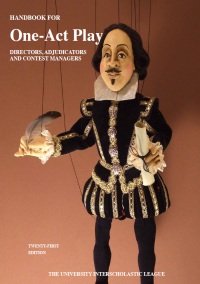
University Interscholastic League – Handbook for One-Act Play. Directors, Adjudicators, Contest Managers
1.020 ₽
Автор: University Interscholastic League
Название книги: Handbook for One-Act Play. Directors, Adjudicators, Contest Managers
Формат: PDF
Жанр: Театр и Кино
Качество: Изначально компьютерное, E-book
Educational Theatre ………………………………………………………………………………………………….
Contest Calendar…………………………………………………………………………………………………… 1
Junior High Quick Reference…………………………………………………………………………………….. 2
Guide to OAP Directors…………………………………………………………………………………………… 3
The Contest Structure………………………………………………………………………………………… 4
Student Company Size ……………………………………………………………………………………. 4
Special Needs Accomodations…………………………………………………………………………….. 4
The Directors…………………………………………………………………………………………………. 5
Professional Acknowledgment Form…………………………………………………………………… 5
Director Responsibilities…………………………………………………………………………………… 5
The Contest………………………………………………………………………………………………………… 6
Planning Meetings……………………………………………………………………………………………. 6
Levels…………………………………………………………………………………………………………….. 6
Advancing and Awards………………………………………………………………………………………. 6
Time Limits………………………………………………………………………………………………………. 6
Disqualifications and Other Violations………………………………………………………………… 7
Contest Administration…………………………………………………………………………………………. 7
The Contest Manager……………………………………………………………………………………….. 7
Adjudicators……………………………………………………………………………………………………. 7
Contest Entry Procedures……………………………………………………………………………………. 8
The Spring Meet Entry System………………………………………………………………………….. 8
Substitutions and Additions……………………………………………………………………………….. 8
Failure to Participate……………………………………………………………………………………….. 9
The Contest Play……………………………………………………………………………………………….. 10
Standards……………………………………………………………………………………………………… 10
Performing Plays on the Approved Lists……………………………………………………………. 10
Play Selection Policy……………………………………………………………………………………….11
Performing Plays Not on the Approved Play Lists, Adaptations and Original Plays……11
Licensing and Royalties……………………………………………………………………………………. 12
Performing a “Scenes From”……………………………………………………………………………. 12
Adaptations……………………………………………………………………………………………………. 12
Drama Loan Library………………………………………………………………………………………… 13
Aid in Directing…………………………………………………………………………………………………. 15
Finding or Hosting a Festival……………………………………………………………………………. 15
Cast and Crew Assignments…………………………………………………………………………………. 16
Rehearsals……………………………………………………………………………………………………….. 16
School Performances…………………………………………………………………………………………. 17
Extracurricular Defined……………………………………………………………………………………… 18
The Basic Set …………………………………………………………………………………………………… 19
Standard Door and Window Units…………………………………………………………………….. 19
Music Playback and Intercommunications Equipment……………………………………………… 20
Lighting at the Contest Site…………………………………………………………………………….. 20
The Unit Set……………………………………………………………………………………………………… 21
Actors on Elevated Unit Set Elements………………………………………………………………. 22
Scenic Elements and Properties Allowed Under 1033(c)(2)(F)(i-vi)……………………………. 22
Lighting………………………………………………………………………………………………………… 22
Softgoodds…………………………………………………………………………………………………… 23
Capitals and Bases…………………………………………………………………………………………. 23
Trees, Bushes, Plants and other Landscaping…………………………………………………….. 24
Fence and Railing…………………………………………………………………………………………… 24
Stage Properties……………………………………………………………………………………………. 24
Special Issues Regarding Properties…………………………………………………………………….. 27
Properties With Casters…………………………………………………………………………………. 27
Tobacco/ Alcohol…………………………………………………………………………………………… 27
Live Animals…………………………………………………………………………………………………… 27
Unit Set Used as Properties……………………………………………………………………………. 27
Scenic Items and Properties Requiring Approval……………………………………………………… 30
Fog, Snow, Water, Fire and Other Special Effects…………………………………………………. 31
Firearms and Other Weapons……………………………………………………………………………….. 31
Music and Sound Issues………………………………………………………………………………………. 32
Music FAQ ‘s……………………………………………………………………………………………………… 33
At the Contest………………………………………………………………………………………………….. 34
Conduct……………………………………………………………………………………………………….. 34
No Later Than 10 Days Prior To the Contest…………………………………………………….. 34
The Rehearsal……………………………………………………………………………………………….. 34
The Directors Meeting……………………………………………………………………………………. 35
The Performance……………………………………………………………………………………………. 36
The Decision………………………………………………………………………………………………….. 38
The Critique………………………………………………………………………………………………….. 38
Advancing………………………………………………………………………………………………………….. 38
Evaluating Your Judge………………………………………………………………………………………… 39
Glossary………………………………………………………………………………………………………….. 40
Bibliography………………………………………………………………………………………………………. 43
Resources and Forms Online……………………………………………………………………………….. 45
Guide to Critic Judges……………………………………………………………………………………………. 47
Function & Qualifications……………………………………………………………………………………. 48
Ethical Considerations……………………………………………………………………………………….. 49
Pre-Contest Procedures…………………………………………………………………………………….. 49
Contest Procedures…………………………………………………………………………………………… 50
Working Conditions……………………………………………………………………………………………. 51
Judging the Play………………………………………………………………………………………………… 51
Selection of the Acting Awards……………………………………………………………………………. 52
Oral Critique Instructions………………………………………………………………………………….. 52
Evaluation Form Instructions……………………………………………………………………………….. 54
Evaluation Form…………………………………………………………………………………………………. 55
Glossary of Terms for Form……………………………………………………………………………….. 58
Panel Judging Procedures…………………………………………………………………………………… 59
Sample Ballots………………………………………………………………………………………………….. 60
Guide for Contest Managers…………………………………………………………………………………… 63
UTEID and Online Certification……………………………………………………………………………. 64
Function…………………………………………………………………………………………………………… 66
Procedures: Planning Meeting (Zone and District)………………………………………………….. 67
Planning Meeting Sample Agenda………………………………………………………………………….. 69
Bi-District, Area and Region Early Planning…………………………………………………………… 72
To-Do List: Post Planning Meeting……………………………………………………………………….. 74
Sample Info Letter……………………………………………………………………………………………… 75
While You Wait Until February……………………………………………………………………………. 78
Procedures: By February 1st………………………………………………………………………………. 79
To-Do List: Shortly After February 23rd……………………………………………………………… 79
To-Do List: 9 Days Prior to the Contest……………………………………………………………….. 80
Dowloading School Information Instructions………………………………………………………….. 81
Site Crew Job Descriptions…………………………………………………………………………………. 82
Timekeepers Instructions…………………………………………………………………………………….. 83
What Should I Look For When I Get The School Info Report…………………………………… 84
To-Do List: 3 Days Prior to Rehearsals………………………………………………………………… 85
The Basic Set – Lighting………………………………………………………………………………………. 86
Sound, Storage and Dressing Rooms at the Contest Site…………………………………………. 87
Rules Regarding Official Rehearsals……………………………………………………………………. 87
Procedures: Official Rehearsals………………………………………………………………………….. 88
To-Do List: Contest Day……………………………………………………………………………………… 90
Procedures: Before the Contest………………………………………………………………………….. 91
To-Do List: When They Arrive……………………………………………………………………………… 91
Model Directors Meeting Agenda…………………………………………………………………………. 93
Rules Related to Set and Strike………………………………………………………………………….. 94
Procedures: Starting the Contest and Performances……………………………………………… 95
Stopping a Performance……………………………………………………………………………………… 95
Rules Related to Announcements and the 60-Second Rule……………………………………….. 96
Rules Related to Performance…………………………………………………………………………….. 96
Rules Regarding Violations and Disqualifications……………………………………………………. 97
Procedures: Violations and Disqualifications………………………………………………………….. 98
Procedures: Conclusion of the Contest………………………………………………………………… 99
Procedures: Awards Ceremony and Critique…………………………………………………………. 100
Procedures: After the Contest………………………………………………………………………….. 100
Procedures: Panel Judging………………………………………………………………………………… 101
TalkTab…………………………………………………………………………………………………………… 102
Alpha Listing of Rules Involving Scenery, Props and Lights……………………………………. 103
Modern educational theatre is a creative, practical activity. Its participants learn
to do by doing those scores of tasks which are required of them as they are
taught the art of play production. They learn to think independently because
the development of individual thought and action is one of the basic elements of
play production. They learn to appreciate the dignity of human labor because
the theatre demands a great amount of human labor. They learn to master the
techniques of handling tools, needles, pigment, electrical equipment, paint,
lumber, and cloth. They learn to sell tickets and advertising, to make and
upholster furniture, and to launder clothing. They draw upon their knowledge
of mathematics, physics, speech, art, journalism, music, English, dance, history,
literature, industrial arts, psychology, homemaking, and foreign languages, and
combine all these with specific training in the art of theatre as they work together
to produce a single play.
Modern educational theatre is a creative, culturally enlightening activity. Its participants learn to appreciate the
great literary masterpieces of Moliére, Shakespeare, O’Neill, Shaw, and the Greeks, because the works of these
masters must be thoroughly studied and understood if they are to be brought to life on the stage. An appetite for
good literature is created, and motivation for literary appreciation is strongly established by the requisites of play
production.
Modern educational theatre is a creative democratic activity. Students learn the principles of democracy and civic
responsibility because these principles are inherent in an effective educational theatre program. Working together
in close harmony as members of a play company, establishing the esprit de corps which occurs so naturally during
rehearsal periods, assuming responsibilities as crew members, coordinating all work projects to meet a deadline,
settling with tolerance and understanding the differences of opinion and procedure which are always present in a
free society, learning to command and be commanded: these are aspects of functional democracy and community
leadership which are encountered daily by all who work in play production. Such an activity makes a definite
contribution to the improvement of democratic process in the community.
Modern educational theatre is a creative activity which has personal and therapeutic values. Students develop
such qualities as self-confidence, poise, cooperativeness, initiative, resourcefulness, self-control, self-discipline,
and a sense of understanding and appreciation of the abilities and efforts of others. They learn the importance
of systematic organization, orderly procedure, and detailed planning because even the most casual type of play
production encourages and requires the development of organizational abilities. Students in educational theatre
experience the feeling of belonging; they are provided with a controlled outlet for physical, emotional, and mental
disturbances which seem common to most young people. They discover through dramatics a more definite purpose
for staying in school and an acceptable reason for giving closer attention to the other scholastic pursuits. If students
are shy, they are taught to overcome shyness. If they are too aggressive, they learn to temper aggressiveness with
consideration for others. In play production students find an opportunity to expend excess energy in a constructive
and educationally productive way, to develop imagination, and to use leisure hours to better advantage.
Modern educational theatre is a creative activity which has definite vocational possibilities. One of the reasons for
the increased number of collegiate theatre courses has been the demand for public school and university teachers
of theatre arts. Educational theatre also exists for the purposes of giving training to those students who seek careers
in television, community and professional theatre, dance, and the motion picture industry.
Therefore, educational theatre is a creative segment of academic life which becomes more than an extracurricular
activity, more than a medium of entertainment, and more than just a class play. It provides actual experience in
practicing democratic principles of living which increases the student’s potential values to the community. It supplies
personal and therapeutic values which give a greater emotional and mental stability and which enhance the chance
to provide an adequate livelihood. Students can find somewhere in the diversified intricacies of play production an
opportunity to use all of their talents and capabilities. Each of their needs is met in the educational theatre because
of the scope and comprehensiveness of its activities.
Описание
University Interscholastic League – Handbook for One-Act Play. Directors, Adjudicators, Contest Managers — официальное руководство UIL, которое регулирует проведение конкурсов одноактных пьес в школах Техаса. Книга подробно объясняет правила участия, требования к постановкам, критерии оценки и организационные процедуры для всех участников конкурса.
Издание охватывает полный цикл подготовки и проведения соревнований: от выбора пьесы и формирования заявки до работы режиссёра, судейства и работы менеджеров конкурса. Особое внимание уделено этическим стандартам, техническим требованиям к сцене, ограничениям по времени и правилам, которые обеспечивают равные условия для всех школ.
- режиссёрам школьных театров и драматических кружков
- членам жюри и официальным adjudicators UIL
- организаторам и contest managers школьных конкурсов
- учителям, которые готовят учеников к театральным олимпиадам
Только зарегистрированные клиенты, купившие данный товар, могут публиковать отзывы.
Похожие



Другие книги раздела «Театр и Кино»
- P. Stanfield – Maximum Movies-Pulp Fictions
- Paul Gormley – New Brutality Film. Race and Affect in Contemporary Hollywood Cinema
- Philip Gillett – Movie Greats. A Critical Study of Classic Cinema (2008)
- R. Armes – Dictionary of African Filmmakers (2008)
- R. Ebert – Scorsese (2008)
- R. Elder – The Film That Changed My Life
- R. Haberski – Freedom to Offend. How New York Remade Movie Culture
- R. Moore – Bond On Bond. Reflections on 50 years of James Bond Movies (2012)
- R. Ross – Marty Feldman. The Biography of a Comedy Legend
- R. Schickel – Clint Eastwood. A Biography
- Richard Brown – Terminator and Philosophy. I’ll Be Back, Therefore I Am
- Robert Shail – British Film Directors. A Critical Guide (2007)
- Roger Ebert – I Hated Hated Hated This Movie
- S. Dillon – The Solaris Effect. Art and Artifice in Contemporary American Film
- S. Finstad – Natasha. The biography of Natalie Wood
- S. Higgins – Harnessing the Technicolor Rainbow. Color Design in the 1930s
Все книги раздела «Театр и Кино» →
Смежные разделы: Архитектура · Живопись и Графический дизайн · Музыка · Мода и Дизайн · Фотография · Культура и Искусство · Декоративно-прикладное искусство
Рекомендуем также
- M. Yousef – miRNomics. MicroRNA Biology and Computational Analysis (2014)
- P. Bourgine – Morphogenesis (2011)
- J. Lancaster – Fundamental Mathematics and Physics of Medical Imaging (2017)
- A. Svendsen – Understanding Enzymes (2016)
- V. Greanya – Bioinspired Photonics (2016)
- A. Khanna – MRI Essentials for the Spine Specialist
- W. Bauer – University Physics with Modern Physics (2nd edition, 2013)
- V. Feigin – Handbook of Clinical Neuroepidemiology
Отзывы
Отзывов пока нет.